Legacy Modernization
Legacy system modernization without a big-bang rewrite
We replace or extend aging software in small, safe steps, so the business keeps running while the system improves. We start with an audit and a migration roadmap, then deliver each step at a fixed price and finish with clear documentation.
Book a free discovery callFree 30-minute call · Fixed-price proposal within 3 days · NDA on request
Signs it is time to modernize
- Nobody wants to touch the system because every change risks breaking something else.
- Important work still happens on paper, in spreadsheets or in billing software that was never meant to track it.
- The software is slow, expensive to host or hard to extend, and the people who built it are gone.
What we deliver
Audit and migration roadmap
We review the system, data and integrations, then give you a step-by-step plan with the order, effort and risks of each step.
Incremental rewrites
We replace the system piece by piece, so old and new parts run side by side until you're ready to switch over.
Extending existing platforms
Adding accounting, inventory or reporting features to a product you already run, such as an ERPNext-based system.
Cloud migration and performance tuning
Moving workloads to the cloud, reducing database cost by archiving older data, and fixing slow parts of the system.
Documentation and clean handover
Written documentation of the new system, so your team or the next developer can pick it up without us.
How a modernization project runs
- We start by learning what the system does today, including the parts nobody wrote down.
- An audit and roadmap come first. Only the first stage is priced, so you never commit to the whole rewrite up front.
- Old and new run side by side while each piece moves over, so there's no cutover weekend.
- Each stage ends with documentation your own team can work from, and monthly support is there if you want it.
Technology we use
- Python
- Django
- Frappe and ERPNext
- React
- Node.js
- MySQL and other SQL databases
- AWS Lambda and S3
- Docker and CI/CD
Related work

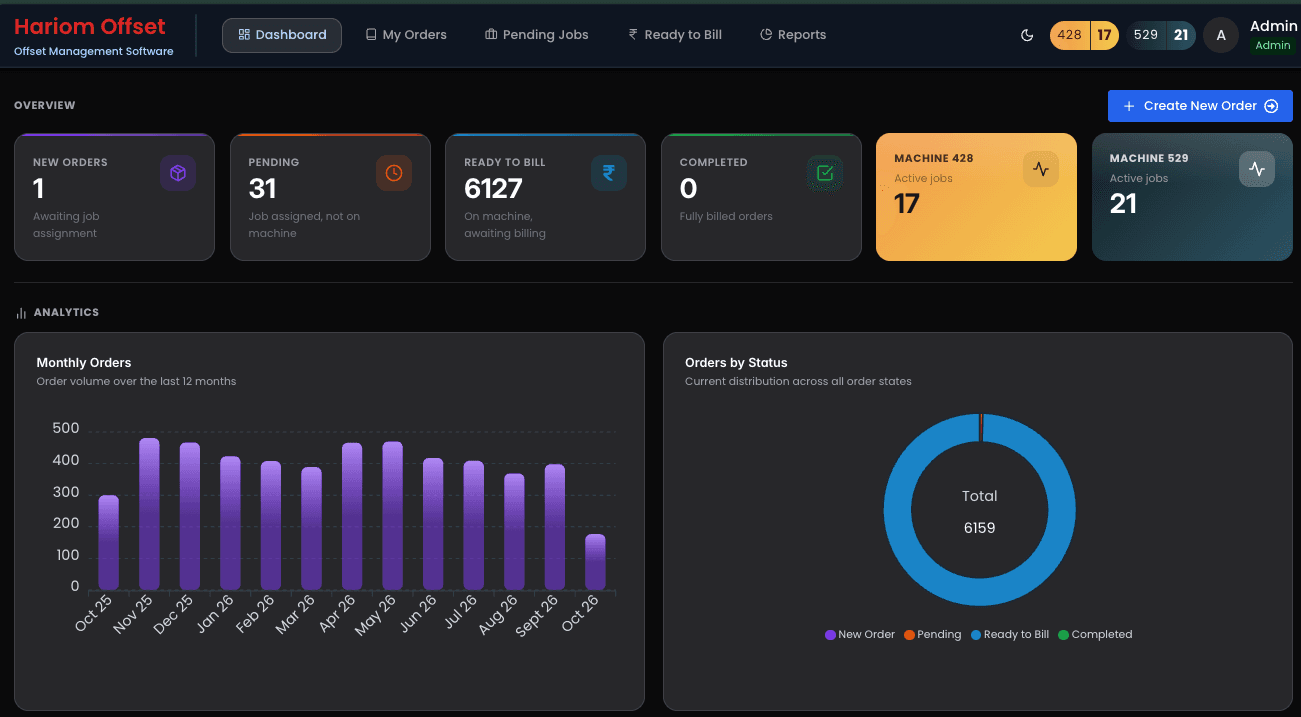
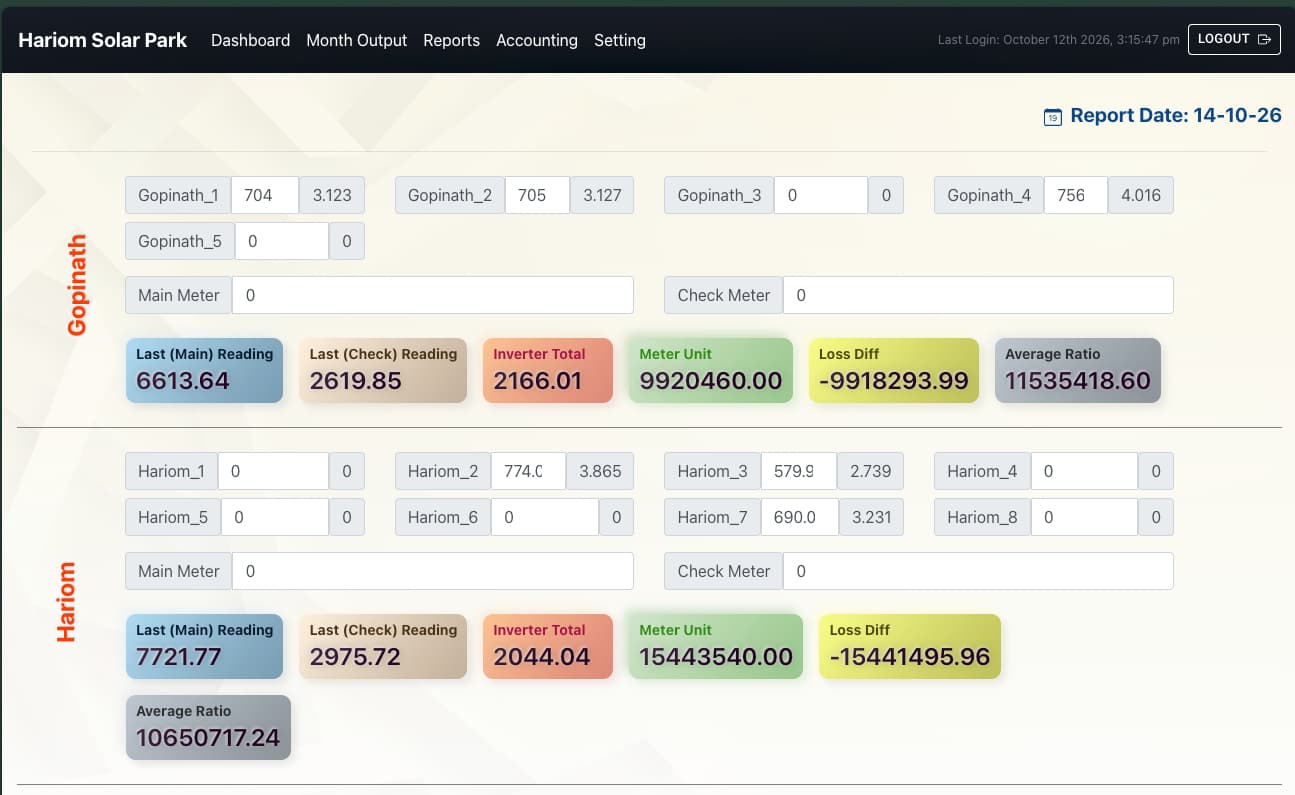
Modernization questions
Do we have to stop using the old system while you rebuild it?
No. We move over in stages, so the current system keeps running while the new parts are built and tested next to it.
Should we rewrite or keep what we have?
It depends on the system. The audit answers this: we tell you what is worth keeping, what to replace and in what order, before you commit to a large budget.
Can you work on software someone else built?
Yes. Extending an existing product, for example adding accounting and inventory features to an ERP, is part of our regular work.
What will we have at the end?
Working software you own, plus written documentation, so you can support it yourself or keep us on for ongoing support.